
Betta Care Guide
Bettas are one of the most recognisable tropical fish, known for their flowing fins, bright colours, and unique personalities. They are a popular choice for both beginners and experienced fishkeepers.
At Friendly Fish Aquatics in Harlow, Essex, our Bettas are kept in proper heated and filtered systems and are carefully acclimatised to local water conditions, helping them settle easily into home fish tanks.
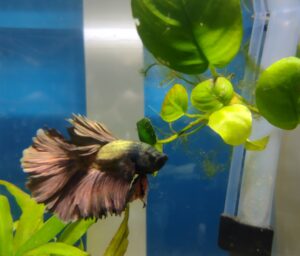
Overview
Betta Care at a Glance
Overview
Bettas (Betta splendens) are small tropical fish famous for their vibrant colours and flowing fins. They come in a wide range of colours including red, blue, white, and multi-coloured varieties.
Every Betta has its own personality. Some can live happily in a peaceful community fish tank, while others are better kept on their own. It really depends on the individual fish, so it’s important to monitor behaviour and be prepared to adjust your setup if needed.
Scientific name: Betta splendens
Common name: Betta / Siamese Fighting Fish
Adult size: 6–7 cm
Minimum tank size: 30 litres
Temperature: 24–28°C
pH: 6.5–7.5
Temperament: Semi-aggressive
Diet: Carnivore
Difficulty: Beginner friendly
Lifespan: 3–5 years
Identification
Bettas are easily recognised by their long, flowing fins and bright colours.
Male Bettas are the most colourful and have large, flowing fins. They are the most commonly sold and are known for their bold appearance.
Female Bettas are smaller, less colourful, and have shorter fins. They can sometimes be kept together in groups (often called sororities), although this requires experience.
Tank Size
Bettas grow to around 6–7 cm.
A minimum tank size of 14 litres is recommended, although larger tanks provide a more stable and healthier environment.
Despite common myths, Bettas should not be kept in bowls. They require proper filtration and heating to thrive.
Water Conditions
Temperature: 24–28°C
pH: 6.5–7.5
Water hardness: Soft to moderate
Bettas prefer warm, stable water conditions.
At Friendly Fish Aquatics, our Bettas are acclimatised to local tap water, making them easier to care for in home fish tanks across Harlow and Essex.
Natural Habitat
Bettas originate from shallow waters in Southeast Asia, particularly Thailand and Cambodia.
They are often found in:
Slow moving waters
Rice paddies
Shallow streams
Heavily planted areas
This is why they prefer calm water with plenty of cover.
Setting Up the Fish Tank
A Betta fish tank should include:
Gentle filtration (avoid strong currents)
Heater to maintain stable temperature
Live or artificial plants
Hiding spaces such as caves or driftwood
Good plant choices include:
Anubias
Java Fern
Floating plants
Floating plants are especially useful as Bettas like to rest near the surface.
Behaviour and Group Size
Bettas are known for their territorial nature.
Male Bettas should not be kept together, as they will fight.
They are best kept:
On their own
With carefully selected peaceful tank mates
Each Betta has its own personality, with some being more tolerant than others.
Feeding Bettas
Bettas are carnivores and require a protein-rich diet.
A good diet includes:
High quality Betta pellets
Frozen foods such as Daphnia or brine shrimp
and live foods
Feeding a varied diet helps maintain colour and overall health.
Tank Mates
Bettas can live with other fish, but it really depends on the individual fish. Some Bettas are fine in a peaceful community fish tank, while others are better kept on their own.
If you do try tank mates, always introduce them carefully and keep a close eye on behaviour.
Suitable tank mates can include:
Corydoras catfish
Kuhli loaches
Small rasboras
Snails
Avoid:
Other male Bettas
Fin-nipping fish
Very active or boisterous species
Always be prepared to separate fish if needed, as not all Bettas will tolerate tank mates.
Popular Betta Varieties
At Friendly Fish Aquatics, we regularly stock a wide range of beautiful Betta varieties, each with its own unique colours and fin shapes:
Halfmoon Betta – Stunning 180° tail spread, ideal as a feature fish.
Crowntail Betta – Distinct spiky fins with dramatic appearance.
Veiltail Betta – Classic long, flowing fins; popular beginner-friendly variety.
Koi Betta – Multi-coloured, marbled pattern, very striking in planted tanks.
Delta Tail Betta – Wide triangular tail with shorter fins than Halfmoon.
Plakat Betta – Short-finned, more active and sporty; can sometimes coexist in community tanks.
Double Tail Betta – Two distinct tail lobes, creating a dramatic look.
Dragon Scale Betta – Thick, metallic-like scales that shine in the light.
Marble Betta – Unique, ever-changing colour patterns.
Mustard Gas Betta – Yellow and metallic green combination, eye-catching.
Friendly Fish Tip: Bettas’ personalities can vary, so even within the same variety, some may enjoy tank mates while others prefer to be on their own.
Sexing Bettas
Male and female Bettas have some clear differences, which can help you choose the right fish for your tank:
Male Bettas – Larger and more colourful, with long flowing fins. These are usually the ones sold individually in shops. Males are naturally territorial and are best kept alone or with carefully chosen, peaceful tank mates.
Female Bettas – Smaller and less colourful, with shorter fins. One of the easiest ways to tell a female apart is the small white or cream egg spot near her vent, which becomes more noticeable when she is carrying eggs. Females can sometimes be kept together in groups called sororities, but this requires plenty of space, hiding spots, and careful monitoring to prevent aggression.
Friendly Fish Tip: Every Betta has its own personality, so even within the same sex, some fish may tolerate tank mates while others prefer to be on their own. Always observe behaviour before introducing new fish to the tank.
Breeding Bettas
Breeding Bettas can be rewarding, but it requires preparation and care:
- The male builds a bubble nest at the water surface where the female’s eggs are placed.
- Only breed healthy, mature Bettas (usually 4–12 months old).
- Use a separate breeding tank with gentle filtration, plants, or floating leaves to support the bubble nest.
- Introduce the female carefully and watch their behaviour closely. Some males can be aggressive.
- After spawning, the male tends the eggs in the bubble nest. If the female is kept in the tank, she may need to be removed to prevent stress or aggression.
- Once the eggs hatch, the fry require special care, including very fine foods such as infusoria or baby brine shrimp, and clean water to thrive.
Friendly Fish Tip: Breeding Bettas is best attempted once you’re confident with general Betta care. Always have a plan for raising fry, as they grow quickly and need excellent water quality.
Quick Summary
Bright, colourful tropical fish
Grows to around 6–7 cm
Best kept alone or with careful tank mates
Prefers warm, calm water
Easy to care for with the right setup
Frequently Asked Questions
Are Bettas aggressive?
They can be territorial, especially males, but can live with the right tank mates.
Can Bettas live in bowls?
No. Bettas need a heated, filtered fish tank to stay healthy.
How often should I feed a Betta?
Once or twice daily in small amounts.
Can Bettas live with other fish?
Yes, but only with carefully chosen peaceful species.
Fish That Go Well With Bettas
If I was going to try tank mates with a Betta, I would look at these first. They’re generally peaceful, stay out of the Betta’s way, and are less likely to cause stress:
Corydoras catfish – Gentle bottom dwellers that won’t disturb your Betta.
Kuhli Loaches – Shy, bottom-dwelling fish that usually keep to themselves.
Rasboras – Small, peaceful schooling fish that occupy the middle of the tank.
Snails – Completely safe, help with cleanup, and don’t bother your Betta.
Avoid fin-nipping or aggressive fish, as well as other male Bettas. Always monitor behaviour when introducing tank mates, because every Betta has its own personality.
Small Tip for customers
Bettas prefer calm water and can struggle in tanks with strong currents. Always use a gentle filter and provide resting spots near the surface.
Adding floating plants not only helps them feel secure but also enhances their colours.
Visit Friendly Fish Aquatics
Looking to buy Bettas See our fish currently in store at Friendly Fish Aquatics.